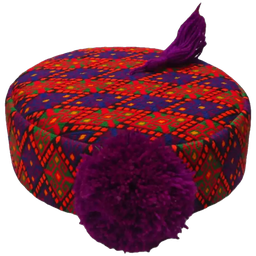
Hazara people
Founding draft. This article has not yet been checked by a community reviewer. If you know something is wrong or missing, please correct it.
The Hazaras are a Persian-speaking people whose homeland is the Hazarajat in the central highlands of Afghanistan, with large communities in Pakistan, Iran and around the world.
Who the Hazaras are
The Hazaras are a people whose historic homeland is the Hazarajat, in the mountains of central Afghanistan. Large communities also live in Kabul and Mazar-i Sharif, in Quetta in Pakistan, in Iran, and across a growing diaspora.12
Most Hazaras are Shia Muslims, with Ismaili and Sunni minorities.12 They speak Hazaragi and Dari, which are varieties of Persian.2
Name and origins
The origin of the name is disputed. One common explanation links it to the Persian hazar, "thousand", possibly translating a Mongol military unit of a thousand men. The Hazara scholar Sayed Askar Mousavi disputes that such units settled permanently.2
Origins are also debated. Some historians connect the Hazaras to Mongol garrisons of the 13th century, while others reject this. The evidence points to a mixed ancestry with Turkic, Mongolic and Iranic links.2
Population
No reliable census exists, and figures are politically contested. One compilation gives a total of about 4.5 to 8 million, and notes that estimates of the Hazara share of Afghanistan's population range from 3% to 20%.2 Treat every figure as an estimate.
A history of persecution and survival
Under Amir Abdur Rahman Khan in the 1890s, the Hazaras suffered mass killing, enslavement and dispossession that scholars have described as genocide.3 Discrimination continued through the 20th century.1 Hazaras were massacred at Mazar-i Sharif and Yakaolang under the Taliban, and have since been targeted by bombings in Quetta and Kabul.
Alongside this loss stands a record of achievement, from the historian Faiz Muhammad Katib Hazara to the Olympic medallist Rohullah Nikpai. See Hazara achievements and firsts.